Frame Wedding Collection with Floral: Design Versatility for Modern Projects
When you're working on a project that needs to feel elegant, personal, and visually rich, the right design assets make all the difference. The Frame Wedding Collection with Floral is a versatile set of vector elements that brings together delicate botanical illustrations and decorative frames, creating a cohesive aesthetic that works across a surprising range of applications. Whether you're designing wedding stationery, building a brand identity, or crafting social media content, this collection offers a foundation that feels both timeless and contemporary.
Understanding the Visual Character of This Collection
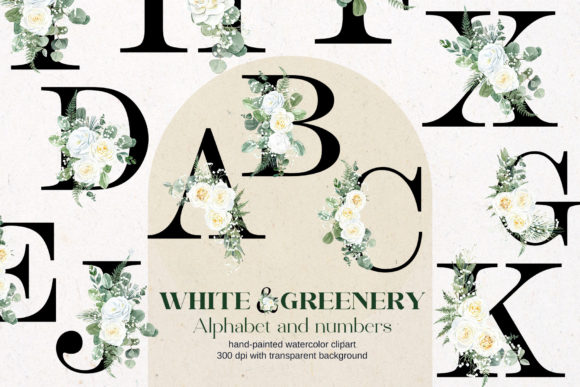
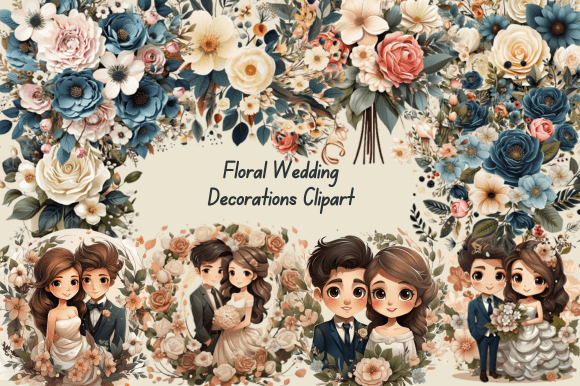
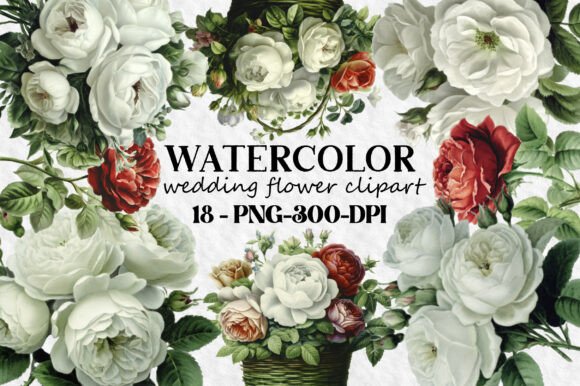
At its core, the Frame Wedding Collection with Floral combines two design elements that naturally complement each other: ornamental frames and botanical illustrations. The frames range from simple, clean borders to more intricate, vintage-inspired designs with scrollwork and flourishes. The floral elements include roses, peonies, eucalyptus branches, and wildflower arrangements—each rendered with enough detail to feel organic without becoming overly complex.
What makes this collection stand out is its balance. The illustrations have a hand-drawn quality that feels approachable, but the line work is precise enough to maintain professionalism. The style leans toward a modern romantic aesthetic—think soft curves, balanced compositions, and a color palette that typically works in monochrome or muted tones. This isn't the kind of clip art that looks dated or overly decorative. Instead, it reads as refined, which gives it staying power across different design trends.
The personality of these assets sits somewhere between classic elegance and contemporary minimalism. You'll find elements that work beautifully in formal contexts like wedding invitations, but the cleaner pieces translate well into modern branding and digital design. The versatility comes from this range—some frames are ornate and detailed, while others are stripped down to essential shapes that pair easily with modern typography and layout styles.
Where These Design Assets Actually Work Best
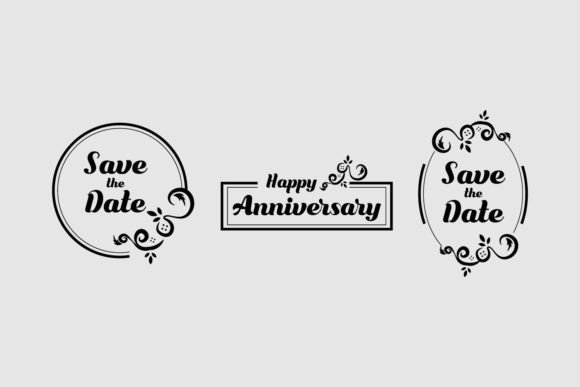
Wedding stationery is the obvious starting point, and for good reason. Save-the-dates, invitations, RSVP cards, menu cards, and table numbers all benefit from the combination of frames and florals. The frames give structure to text-heavy layouts, while the floral elements add visual interest without overwhelming the information. For designers who specialize in custom stationery, having a library of these elements means faster turnaround and more consistent results across an entire wedding suite.
But the applications extend well beyond weddings. Small business owners in the beauty, wellness, and lifestyle spaces frequently use floral frame elements in their branding. A bakery might use a delicate floral frame around its logo for packaging labels. A spa could incorporate botanical elements into its business cards and appointment reminders. The key is that these assets don't scream "wedding"—they communicate care, attention to detail, and a certain aesthetic sensibility that resonates with audiences who value quality.
Digital applications are equally strong. Social media graphics benefit enormously from decorative frames, especially for quote posts, announcement templates, and promotional content. Bloggers and content creators can use these elements to create consistent visual themes across Pinterest pins, Instagram stories, and website headers. The vector formats—Ai, Eps, Svg—mean you can scale these elements to any size without losing quality, which is essential when you're working across multiple platforms with different dimension requirements.
Print projects also shine with this collection. Editorial designers working on magazine layouts, book covers, or event programs can use the frames as decorative elements that organize content and guide the reader's eye. Packaging designers might incorporate floral borders into product labels, gift wrap patterns, or shopping bag designs. The Png and Jpg formats make it easy to drop elements into layouts quickly, while the vector formats give you full control over customization.
How to Evaluate and Use These Assets Effectively
Before incorporating the Frame Wedding Collection with Floral into a project, consider the overall tone you're trying to establish. These elements work best when they support the design rather than dominate it. If your layout already has strong typography and a clear hierarchy, the frames and florals can serve as accent elements that add warmth and personality. If the design is more minimal, a single ornate frame can become a focal point that draws attention to key information.
Font pairing matters when you're combining these decorative elements with text. Because the floral frames have an organic, somewhat traditional feel, they pair well with both serif fonts and clean sans serif typefaces. A classic serif like Garamond or Playfair Display creates a cohesive, elegant look. A modern sans serif like Montserrat or Lato provides contrast that keeps the design feeling current. Script and handwritten fonts can work too, but use them sparingly—pairing ornate frames with elaborate script fonts can quickly become visually overwhelming.
Testing is essential. Before committing to these assets in a final design, create several variations with different elements from the collection. Try the same layout with a simple frame versus an ornate one. Swap out floral arrangements to see how different botanical styles affect the overall mood. Check how the elements look at different sizes—what works on a large poster might feel too detailed on a business card. The included file formats give you flexibility here, so take advantage of them.
Licensing is another practical consideration. If you're using these assets for client work or commercial projects, verify that the license covers your intended use. Most collections like this include commercial licensing, but it's worth confirming before you build an entire brand identity around them. Keep records of your licenses, especially if you're working with multiple clients or selling products that incorporate these design elements.
Making the Most of Multiple File Formats
The inclusion of Ai, Eps, Png, Jpg, and Svg files means this collection is built for real-world workflow flexibility. Designers working in Adobe Illustrator can open the Ai files directly and modify colors, resize elements, or combine pieces from different frames. The Eps format ensures compatibility with other vector editing software, including CorelDRAW and Affinity Designer.
For projects that require quick implementation—like social media templates or presentation slides—the Png files with transparent backgrounds are invaluable. You can drag and drop them into Canva, PowerPoint, or any design tool without worrying about background removal. The Svg format is particularly useful for web designers who need lightweight, scalable graphics that load quickly and look sharp on any screen resolution.
Think about your typical workflow when deciding which format to use. If you're a crafter working on print-and-cut projects with a Cricut or Silhouette machine, the Svg files will be your primary resource. If you're a marketer creating digital ads, the Png files save time. If you're a designer building a comprehensive brand system, the vector formats give you the most control and long-term flexibility.
Building Consistency Across Projects
One of the most practical advantages of working with a cohesive collection like this is consistency. When you pull individual elements from different sources, achieving a unified look requires extra effort—matching line weights, adjusting proportions, and harmonizing styles. A well-designed collection eliminates much of that work because the elements are already designed to work together.
This consistency directly affects how professional your final output looks. Whether you're creating a wedding invitation suite, a product line's packaging, or a social media campaign, visual cohesion communicates competence and intentionality. Your audience might not consciously notice that all the floral elements share the same illustration style, but they'll feel the difference between a polished, unified design and one that looks like it was assembled from mismatched parts.
The Frame Wedding Collection with Floral gives you a toolkit that balances decorative appeal with practical versatility. It's the kind of design resource that earns its place in your asset library—not because it's flashy, but because you'll actually use it, across projects you haven't even imagined yet.