Floral Wedding Decorations Clipart for Creative Projects
The Essence of Digital Floral Assets
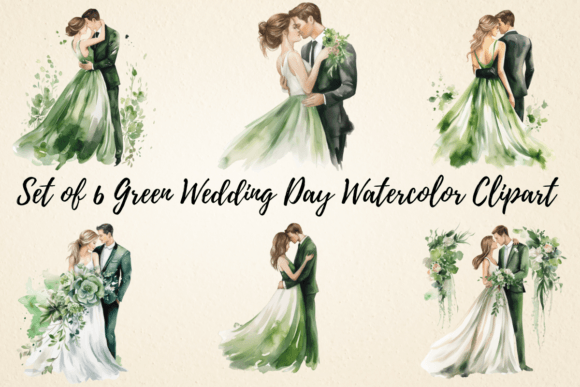
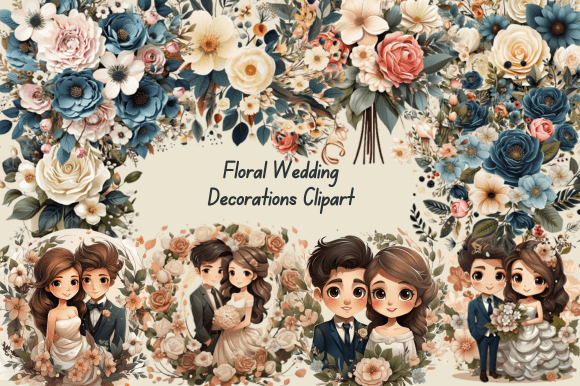
In the world of modern design, high-quality visual assets are the backbone of professional work. Floral Wedding Decorations Clipart represents a specific category of design elements that blends romantic aesthetics with functional utility. These are not merely simple doodles; they are high-resolution, detailed illustrations intended to mimic the delicate beauty of real botanical arrangements. The style typically leans towards a timeless elegance, featuring soft gradients, intricate leaf details, and a vibrant yet sophisticated color palette. For the designer or entrepreneur, this type of clipart serves as a foundational building block. It allows you to inject a sense of celebration and organic warmth into a project without the overhead of commissioning custom illustration work or purchasing expensive photography rights. The appeal lies in its versatility—these assets bridge the gap between digital convenience and the tactile, emotional connection people have with physical stationery and gifts.
Strategic Applications for Branding and Commerce
Understanding where to deploy Floral Wedding Decorations Clipart effectively is key to maximizing your investment. For small business owners and marketers, these assets are invaluable for creating cohesive brand identity materials. Imagine a wedding planner’s website where the floral elements from the clipart set are used not just on the homepage, but subtly integrated into proposal PDFs, email headers, and social media graphics. This repetition builds visual recognition and professionalism. However, the utility extends far beyond digital screens. This specific set is designed with physical products in mind. Because the files are high-quality PNGs and JPGs sized at 8.5" x 8.5", they are perfectly optimized for modern manufacturing methods like sublimation printing. This means you can apply these designs directly onto merchandise—think tote bags, ceramic mugs, or t-shirts—without worrying about pixelation or poor color reproduction.
For those in the publishing or stationery niche, the applications are equally robust. Editorial design often requires visual breaks or thematic backgrounds for text. A soft floral pattern from this clipart set can serve as a background for a magazine column or a blog post header, adding depth without overwhelming the typography. Furthermore, the "printable" nature of the product makes it ideal for DIY projects. Event planners can use these files to create cohesive packaging design elements for wedding favors. By printing matching stickers, gift tags, and thank-you cards, you create a high-end, bespoke experience for clients using only a home printer and standard cardstock.
Enhancing Visual Hierarchy and Audience Engagement
Effective design is about directing the viewer's eye. Floral clipart plays a significant role in establishing visual hierarchy. In web design, for instance, a dense floral arrangement can frame a call-to-action button, naturally drawing the user's gaze toward the most important conversion point. In graphic design, these elements can be used to separate sections of content or highlight key information, such as a date or a price. The visual weight of the floral illustrations balances the starkness of text-heavy layouts, making the content more approachable and easier to digest.
Moreover, the psychological impact of floral imagery should not be underestimated. In marketing, botanical elements evoke feelings of freshness, growth, and celebration. When used in social media graphics, floral borders tend to increase engagement because they feel "native" to platforms like Instagram and Pinterest, where aesthetic curation is paramount. For a content creator or blogger, using consistent floral assets helps build a recognizable style. Over time, your audience associates that specific visual language with your content, fostering a stronger sense of brand loyalty and recognition. It is a subtle form of modern typography and design psychology—using imagery to set the mood before the reader even engages with the text.
Practical Guide to Implementation and Pairing
Integrating clipart into your workflow requires a strategic approach to ensure the final product looks polished rather than cluttered. One of the most common challenges is balancing the ornate nature of floral illustrations with legible text. This is where font pairing becomes critical. If you are using these floral backgrounds for a wedding invitation or a social media post, you need a typeface that stands up to the visual complexity.
Avoid using overly decorative script fonts or handwritten fonts directly over a busy floral pattern, as the lines will merge and become unreadable. Instead, consider using a clean sans serif font for body copy. The geometric simplicity of a sans serif provides a necessary contrast to the organic, flowing lines of the flowers. For headlines, a bold serif font can work well, provided there is enough "breathing room" (white space) around the text. Alternatively, you can use the floral clipart as a frame—placing it in corners or along the edges—leaving the center of the design clear for your message. This maintains the elegance of the creative font choices while ensuring the message is communicated clearly.
When evaluating the fit of this clipart for your specific project, consider the color temperature. While the files are vibrant, you may need to adjust the hue to match your specific brand identity. Since these are high-resolution raster files (PNG/JPG), they are best used for projects where they remain at their original size or are scaled down. Scaling up raster images can lead to quality loss. For the best results in commercial printing, ensure your canvas is set to the correct DPI (typically 300 DPI for print) to maintain the crisp edges of the petals and leaves.
Leveraging Assets for Commercial Success
For the entrepreneur, Floral Wedding Decorations Clipart is more than just decoration; it is a product generator. The license to print on physical products opens up a direct revenue stream. You can create a "Bride Tribe" collection featuring these graphics on shirts and cups, or design a line of wedding planners and journals. The key to commercial success with these assets is curation. Don't just slap the image on a product; use design software to combine the clipart with your own logo design or custom text to create something unique.
Consider the user experience when creating printable goods. If you are selling digital downloads to other crafters, ensure the files are organized and easy to use. If you are selling physical goods, pay attention to the medium. A design that looks good on a web design mockup might look different on cotton versus polyester. Always order a sample to verify color accuracy, as the disclaimer notes that colors may vary due to monitor settings. By treating these digital assets as a starting point rather than a finished product, you can build a diverse portfolio of offerings that cater to the wedding and event market, ensuring your creative projects are both beautiful and profitable.